

Embark on a journey through the realm of luxury real estate, where opulence meets innovation and exclusivity reigns supreme. From defining the essence of luxury properties to unraveling the intricate market trends, this introduction sets the stage for a captivating exploration of this prestigious sector.
As we delve deeper into the nuances of design, architecture, marketing strategies, and investment opportunities in luxury real estate, prepare to be enthralled by the allure and sophistication that define this elite domain.
Overview of Luxury Real Estate
Luxury real estate refers to high-end properties that offer exceptional quality, design, and amenities. These properties are typically located in prime areas and provide a luxurious lifestyle for their residents.
Key Features of Luxury Properties
- High-end finishes and materials such as marble, hardwood, and custom cabinetry.
- State-of-the-art technology and smart home features.
- Amenities like spas, home theaters, and private gyms.
- Beautifully landscaped gardens, pools, and outdoor entertainment areas.
Significance of Location in Luxury Real Estate
The location of a luxury property is crucial in determining its value and desirability. Prime locations offer stunning views, convenient access to amenities, and exclusivity. Proximity to upscale shopping, dining, and cultural attractions can greatly enhance the appeal of a luxury property.
Market Trends in Luxury Real Estate

Luxury real estate markets are constantly evolving, influenced by a variety of factors ranging from economic conditions to global events. Understanding current trends in luxury real estate is crucial for both buyers and sellers to make informed decisions.
Regional Disparities in Luxury Real Estate Markets
- North America: Cities like New York City and Los Angeles continue to be hotspots for luxury real estate, with high demand for luxury condos and penthouses.
- Europe: Cities like London and Paris attract wealthy buyers looking for historic properties and luxury amenities.
- Asia: Cities like Hong Kong and Singapore are experiencing a surge in luxury real estate development, catering to the growing number of affluent individuals in the region.
Impact of Global Events on Luxury Real Estate
- The COVID-19 pandemic has reshaped the luxury real estate market, with a shift towards more spacious properties and homes with dedicated office spaces.
- Geopolitical tensions can impact luxury real estate markets, leading to fluctuations in demand and pricing based on investor sentiment.
- Natural disasters and climate change concerns are also influencing luxury real estate decisions, with a growing interest in eco-friendly and sustainable properties.
Design and Architecture in Luxury Real Estate
Luxury real estate is often characterized by exquisite design and architecture that sets it apart from other properties. The attention to detail, use of high-end materials, and unique features all contribute to the overall luxurious feel of these homes.
Popular Architectural Styles in Luxury Properties
In luxury real estate, popular architectural styles include:
- Modern: Clean lines, open spaces, and a focus on minimalism are key features of modern luxury homes.
- Traditional: Classic elements such as columns, intricate moldings, and grand staircases are common in traditional luxury properties.
- Contemporary: A blend of modern and traditional styles, contemporary luxury homes often feature cutting-edge design elements and innovative materials.
Role of Interior Design in Luxury Real Estate
Interior design plays a crucial role in luxury real estate by:
- Creating a cohesive and luxurious aesthetic throughout the property.
- Utilizing high-end finishes, custom furniture, and unique art pieces to elevate the space.
- Emphasizing comfort, functionality, and style in every room of the home.
Innovative Features and Amenities in Luxury Homes
Luxury homes often boast innovative features and amenities such as:
- Smart home technology: Automated systems for lighting, heating, security, and entertainment.
- Spa-like bathrooms: Luxurious fixtures, soaking tubs, and steam showers for a relaxing retreat.
- Outdoor living spaces: Infinity pools, outdoor kitchens, and landscaped gardens for luxurious outdoor entertaining.
Marketing Strategies for Luxury Real Estate
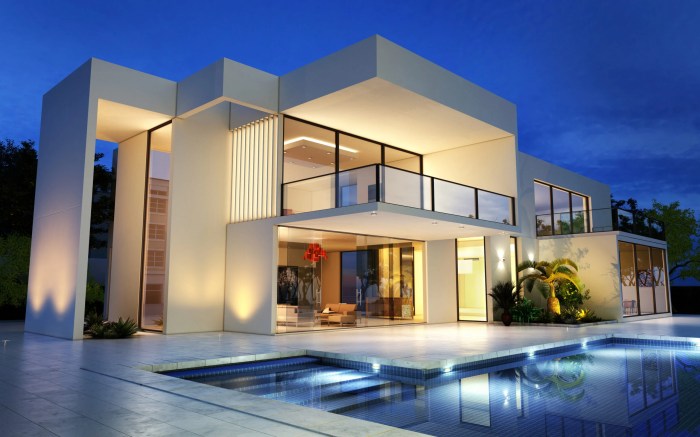
Luxury real estate requires unique marketing strategies to attract high-end buyers and stand out in a competitive market. From creating a strong brand identity to implementing digital marketing tactics, there are several key strategies that can help luxury properties get noticed and sold quickly.
Importance of Branding in Luxury Real Estate
Branding plays a crucial role in the success of luxury real estate marketing. A well-defined brand identity helps establish trust, credibility, and exclusivity, which are essential factors for attracting affluent buyers. Luxury properties need to create a brand image that reflects the unique features, lifestyle, and value proposition of the property.
This can involve creating a compelling brand story, designing high-quality marketing materials, and ensuring consistency across all communication channels.
Digital Marketing Strategies for Luxury Real Estate
In today's digital age, leveraging online platforms and technology is crucial for marketing luxury real estate effectively. From high-quality photography and virtual tours to targeted social media campaigns and email marketing, digital strategies can help reach a wider audience of potential buyers.
Luxury real estate agents can also use search engine optimization () techniques to ensure their properties appear at the top of search results, increasing visibility and generating more leads. Additionally, leveraging data analytics and personalized marketing approaches can help tailor marketing efforts to the preferences and behaviors of luxury buyers, increasing the chances of a successful sale.
Investment Opportunities in Luxury Real Estate
Investing in luxury real estate can offer unique opportunities for investors looking to diversify their portfolio and potentially achieve high returns. Luxury properties are often seen as a safe haven for capital preservation and a hedge against inflation, making them attractive to investors seeking stability and long-term growth.
Reasons Why Investors are Drawn to Luxury Real Estate
- Strong appreciation potential: Luxury properties in prime locations tend to appreciate in value over time, offering investors the opportunity to build wealth through capital gains.
- Prestige and exclusivity: Owning a luxury property can provide investors with a sense of prestige and exclusivity, as well as access to high-end amenities and services.
- Diversification benefits: Investing in luxury real estate can help investors diversify their portfolio and reduce overall risk by adding an asset class with low correlation to traditional investments.
Potential Risks and Rewards of Investing in Luxury Properties
- Rewards: High rental yields, capital appreciation, tax benefits, and the potential for luxury properties to outperform other real estate asset classes.
- Risks: Market volatility, economic downturns, high maintenance costs, and liquidity issues due to the niche nature of luxury real estate.
Comparison of Investment Strategies for Luxury Real Estate vs. Other Asset Classes
- Long-term hold strategy: Investing in luxury real estate for the long term can provide steady rental income and capital appreciation, similar to investing in stocks or bonds.
- Short-term flipping strategy: Some investors opt to buy luxury properties, renovate them, and sell them for a profit in a short period, akin to trading in the stock market.
- Alternative investment options: Investors can also consider real estate investment trusts (REITs) focused on luxury properties or crowdfunding platforms that allow for fractional ownership of high-end real estate.
Final Summary
In conclusion, luxury real estate transcends mere property transactions; it embodies a lifestyle of sophistication, elegance, and unparalleled luxury. As you navigate the dynamic landscape of this market, remember that indulgence and investment potential converge seamlessly in the world of luxury real estate.
User Queries
What defines a luxury property?
A luxury property is characterized by high-end amenities, prime location, exceptional design, and exclusive features that cater to the affluent clientele.
How important is branding in luxury real estate?
Branding plays a crucial role in establishing the prestige and reputation of luxury properties, influencing buyer perceptions and market positioning.
Why are investors attracted to luxury real estate?
Investors are drawn to luxury real estate for its potential for high returns, portfolio diversification, and the allure of owning prestigious assets.
What are some popular architectural styles in luxury properties?
Architectural styles like modern, contemporary, Mediterranean, and colonial are often favored in luxury real estate for their elegance and sophistication.
How do investment strategies for luxury real estate differ from other asset classes?
Investing in luxury real estate requires a unique approach due to higher capital requirements, market dynamics, and the need for specialized knowledge of the luxury segment.