

Immerse yourself in the world of luxury property with this comprehensive guide. From defining what luxury property entails to exploring the latest market trends, this introduction sets the stage for a deep dive into the realm of high-end real estate.
As we navigate through the different types of luxury properties, their unique features, and the significance of location, you'll gain valuable insights into this exclusive sector of the real estate market.
What is Luxury Property?

Luxury property refers to high-end real estate characterized by premium features and amenities that go above and beyond what is typically found in standard properties. These properties are designed to offer a luxurious and exclusive living experience to their residents.
Characteristics of Luxury Properties
Luxury properties are distinguished by several key features that set them apart from standard properties. These features often include:
- Prime Location: Luxury properties are usually situated in prestigious neighborhoods or areas with breathtaking views.
- High-Quality Construction: Luxury properties are built using high-end materials and superior craftsmanship.
- Spacious Layouts: Luxury properties often boast expansive living spaces, large bedrooms, and luxurious bathrooms.
- Top-of-the-Line Amenities: Luxury properties typically offer amenities such as swimming pools, fitness centers, spas, and concierge services.
- Customization Options: Luxury properties may offer the opportunity for customization and personalization to meet the unique preferences of the homeowner.
Amenities in Luxury Properties
Luxury properties are known for their impressive array of amenities that cater to the needs and desires of their residents. Some common amenities found in luxury properties include:
- State-of-the-Art Appliances: Luxury properties often feature top-of-the-line appliances from renowned brands.
- Smart Home Technology: Luxury properties may be equipped with advanced smart home systems for convenience and security.
- Spa-Like Bathrooms: Luxury properties often include spa-like bathrooms with features such as soaking tubs, steam showers, and heated floors.
- Outdoor Living Spaces: Luxury properties may offer expansive outdoor living areas with features such as pools, gardens, and outdoor kitchens.
- Security Systems: Luxury properties typically have advanced security systems in place to ensure the safety and privacy of residents.
Types of Luxury Properties

Luxury properties come in various types, each offering a unique lifestyle and design. Let's explore some of the most common types of luxury properties available in the market.
Penthouses
Penthouses are luxurious properties located on the top floors of high-rise buildings, offering stunning panoramic views of the city or waterfront. These properties often feature spacious floor plans, high-end finishes, and exclusive amenities such as private elevators and rooftop terraces.
Villas
Villas are standalone luxury homes typically located in exclusive neighborhoods or resort areas. These properties often boast expansive grounds, private pools, and upscale features like home theaters, wine cellars, and spa facilities. Villas offer privacy and seclusion, making them a popular choice among high-net-worth individuals.
Estates
Estates are sprawling properties that encompass large tracts of land, often featuring multiple buildings such as a main house, guesthouses, and staff quarters. These properties are designed for those seeking ultimate privacy and luxury, with amenities like tennis courts, horse stables, and manicured gardens.
High-end Apartments, Luxury Condos, and Premium Single-Family Homes
High-end apartments are upscale units located in prestigious buildings, offering amenities such as concierge services, fitness centers, and private parking. Luxury condos are similar but typically offer shared amenities like swimming pools and spas. Premium single-family homes, on the other hand, provide exclusive living spaces with features like gourmet kitchens, home theaters, and expansive outdoor areas
Architectural Styles
Luxury properties often showcase unique architectural styles that reflect the owner's tastes and preferences. Common styles include modern, contemporary, Mediterranean, and traditional designs. Each style offers a distinct aesthetic appeal and can be customized to suit the owner's lifestyle and vision.
Luxury Property Market Trends
As the luxury property market continues to evolve, various trends shape the demand and supply dynamics in this exclusive sector. Economic factors play a crucial role in influencing the preferences of high-net-worth individuals seeking luxury properties, while global events can have a significant impact on the overall market sentiment.
Impact of Economic Factors on Luxury Property Demand
Economic conditions such as interest rates, employment levels, and overall consumer confidence can greatly influence the demand for luxury properties. When the economy is thriving, individuals are more willing to invest in high-end real estate, viewing it as a secure asset that can provide long-term returns.
Global Events and Luxury Real Estate Market
Global events like geopolitical tensions, natural disasters, or economic crises can have a ripple effect on the luxury real estate market. Uncertainty in the global landscape can lead to a shift in investment preferences, with investors seeking safe havens in stable markets with strong legal frameworks and economic stability.
Luxury Property Features
Luxury properties are known for offering a plethora of high-end features and amenities that cater to the discerning tastes of affluent buyers. These features go beyond the standard offerings found in traditional properties and are designed to provide a luxurious and exclusive living experience.
Cutting-Edge Amenities
In luxury properties, cutting-edge amenities are a common sight, showcasing the latest in technology and convenience. Examples of such amenities include state-of-the-art smart home systems that allow residents to control various aspects of their home with a touch of a button, private elevators that offer direct access to the property, home theaters equipped with the latest audiovisual technology, and wine cellars for the wine connoisseur.
Customization Options
One of the key features of luxury properties is the ability to customize various aspects of the home to suit the buyer's preferences and lifestyle. This can range from choosing high-end finishes and materials for the interiors to designing bespoke furniture pieces that complement the overall aesthetic of the property.
Customization options allow buyers to create a truly unique and personalized living space that reflects their individual style and taste.
Location and Luxury Properties
When it comes to luxury properties, location plays a crucial role in defining their value and appeal. The neighborhood, surroundings, and proximity to amenities all contribute to the desirability of a luxury property.
Popular Locations for Luxury Real Estate Investments Globally
- New York City, USA: Known for its luxury apartments and penthouses with stunning views of the city skyline.
- London, UK: Prime locations like Mayfair and Knightsbridge are sought after for their exclusivity and luxury amenities.
- Paris, France: Prestigious neighborhoods such as the 7th arrondissement offer elegant apartments with views of iconic landmarks.
- Dubai, UAE: The city boasts luxurious waterfront properties and opulent villas in exclusive gated communities.
How Proximity to Amenities and Natural Surroundings Affects Luxury Property Value
Proximity to amenities such as shopping centers, fine dining restaurants, and cultural attractions can significantly increase the value of a luxury property.
Natural surroundings like waterfront views, lush greenery, or proximity to parks and nature reserves are highly desirable features that enhance the appeal of luxury properties.
Last Recap
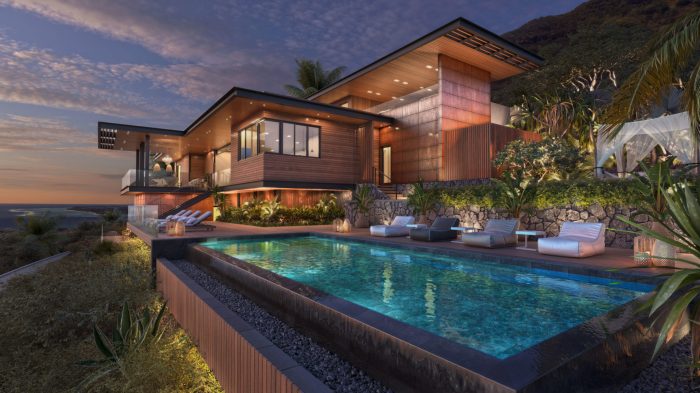
In conclusion, luxury properties offer a blend of sophistication, elegance, and exclusivity that set them apart in the real estate market. Whether you're a buyer, investor, or simply curious about the world of luxury real estate, this guide has provided you with a glimpse into the opulent realm of luxury property.
Question Bank
What defines a luxury property?
A luxury property is characterized by high-end features, exclusive amenities, and a prestigious location that sets it apart from standard properties.
What are some unique architectural styles commonly seen in luxury properties?
Modern, contemporary, Mediterranean, and colonial are some of the architectural styles often found in luxury properties.
How do economic factors influence the demand for luxury properties?
Economic stability, income levels, and interest rates are key factors that can impact the demand for luxury properties.
What role does location play in defining luxury properties?
Location is crucial in defining luxury properties, with proximity to amenities, natural surroundings, and exclusivity contributing to their value.